

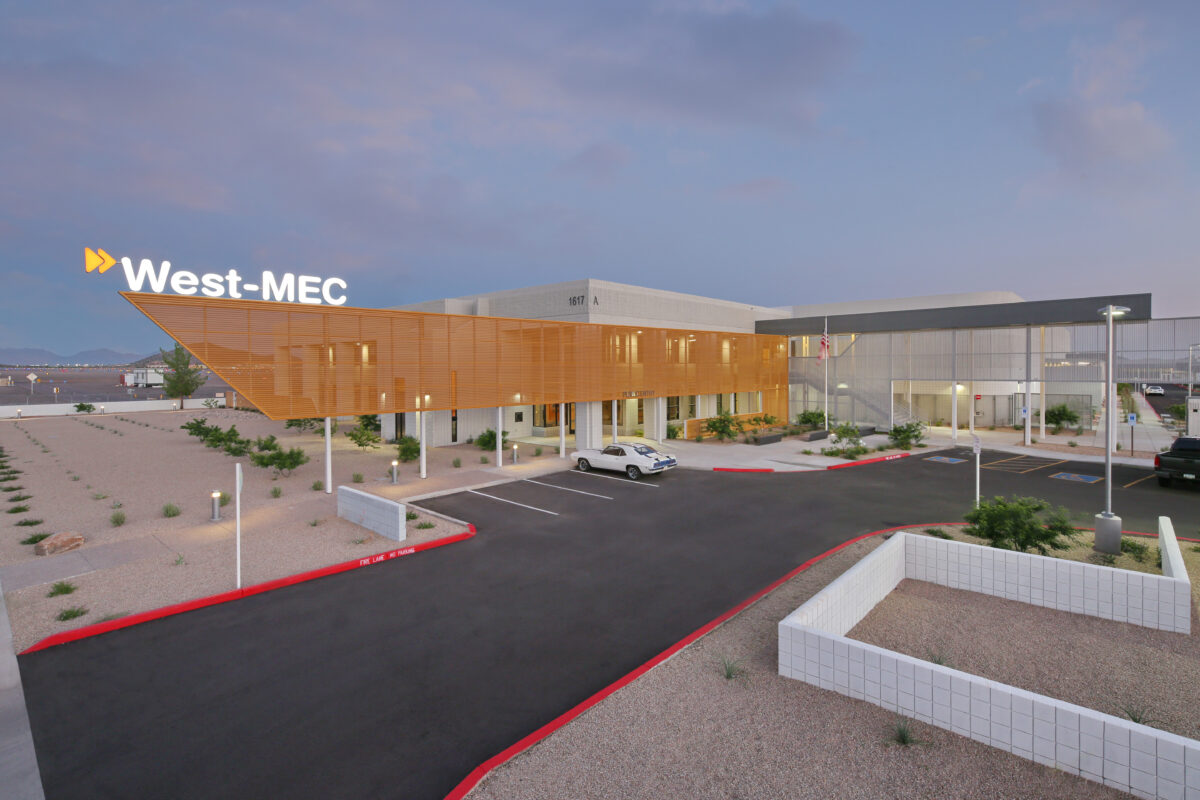
In Arizona specifically, Governor Katie Hobbs emphasized expanding apprenticeship pathways and connecting more residents to hands on training opportunities. These initiatives reflect a broader shift toward aligning education with real world workforce needs, particularly in high demand sectors like construction, healthcare, and advanced manufacturing.
The takeaway is clear. CTE is no longer a secondary track. It is being positioned as a primary engine for economic mobility and talent pipeline development in Arizona.
Expansion of Industry Credentials and Apprenticeships
Arizona continues to double down on industry recognized credentials and apprenticeship pathways as core components of its CTE ecosystem. Recent policy changes have streamlined how students and workers receive credit for completing registered apprenticeship programs, making it easier to translate hands-on training into formal credentials.
This matters because employers are increasingly prioritizing proven skills over traditional degrees. By aligning CTE programs with certifications and licensure pathways, Arizona is tightening the connection between education and employability.
Legislative efforts have focused on expanding access to CTE for underserved populations, including foster youth and adult learners. These moves signal a broader commitment to equity in workforce development and ensuring that nontraditional students can access high value career pathways.
New CTE Pathways Launching in Arizona High Schools
2026 is seeing tangible program expansion at the high school level, with new CTE pathways designed to lead directly into careers. For example, Scottsdale Unified School District announced a new program allowing students to earn a National Academy of Sports Medicine Certified Personal Trainer credential while still in high school.
This is a strong indicator of where CTE is heading. Programs are becoming more specialized, credential-driven, and aligned with industry certifications that have immediate labor market value.
Across Arizona, students are also gaining access to dual enrollment credits, internships, and real-world project experience through CTE pathways. These programs are increasingly integrated with employers, giving students exposure to actual job environments before graduation.
In one example from southern Arizona, Arizona Western College received a state innovation grant to expand work-based learning opportunities across its CTE programs. The funding is being used to connect students directly with employers and provide hands on experience in fields like healthcare, IT, logistics, and energy systems.
If you are involved in education, construction, or public sector planning, ignoring this shift would be a mistake. The smarter move is to lean into it, build partnerships early, and design programs and facilities that support where this is clearly heading.